
 English
 Spanish
Are you worried about losing your vehicle if you fall behind on your title loan payments? Maybe you're facing imminent repossession, with your lender threatening to sell the car at auction? Either of these scenarios is severe, and it helps to be prepared if you don't want to lose your vehicle.
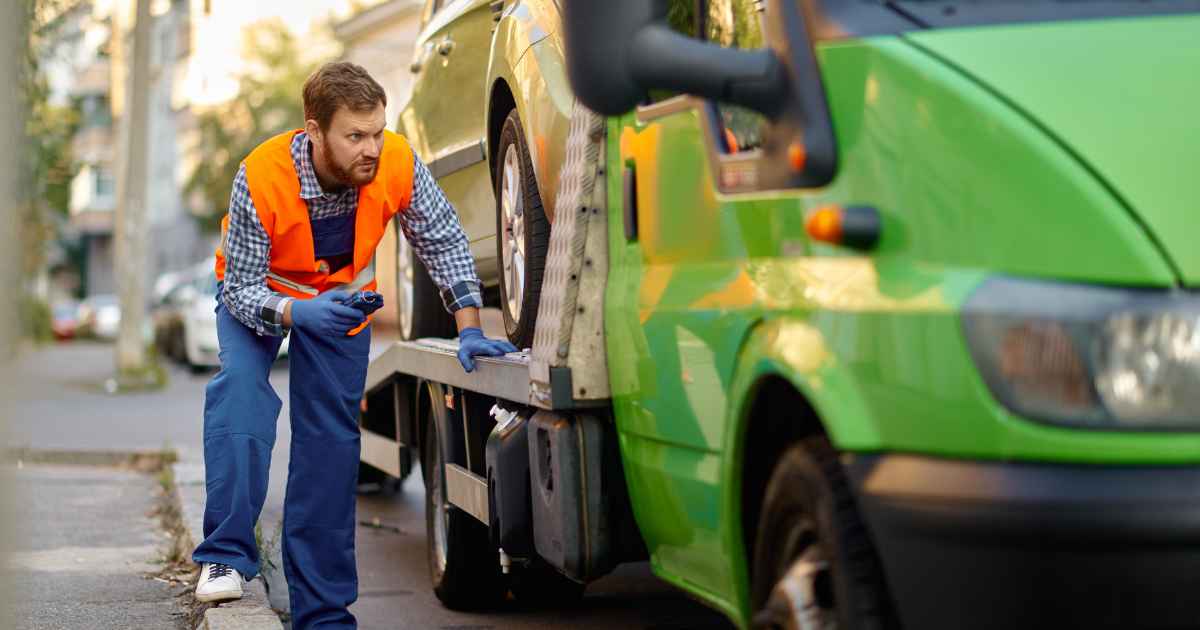
Repossession is typically a lender's last resort if someone can no longer pay their title loan. However, repossessions do happen, and there are steps you can take to avoid ending up in a situation where a lender can take your car. We recommend that, instead of treating repossession as taboo, you be proactive and keep it from happening.
The best way to avoid losing your vehicle is to communicate with your lender and work with them as soon as you realize you're in danger of falling behind on the loan. Explain to them exactly what's happening and why you can't make the monthly payment. This conversation may be difficult, and your lender may not be receptive at first. However, you need to stay persistent and try to work out a repayment plan with them. Any payment relief or loan restructuring is better than facing a vehicle repo.
Working with your lender to avoid a vehicle repossession is the same strategy you would use if you fell behind on any other conventional loan, such as a car loan or home loan. Finance companies don’t want to initiate a repossession because the process is costly and it takes time to sell your vehicle to pay down the loan balance. The same is true when they need to foreclose on your house or take your car if you fall behind on the monthly car payments. When a lender repossesses your vehicle, they must pay to have it towed and sell it at auction. These costs add up, and lenders prefer borrowers to keep making monthly payments because they make far more money that way.
Signs That A Repossession May Be Coming
Sometimes you're so far behind that repossession becomes inevitable. If you find yourself in this situation, contact your lender and let them know you're willing to do whatever it takes to avoid losing your vehicle.
Many lenders will work with you to set up alternative payments to avoid defaulting on an auto title loan. No legitimate lender wants to deal with selling a vehicle at auction. They would much rather keep you making the monthly payments, and they should be amenable to payment arrangements. Keep in mind your monthly payments go toward a mix of principal and interest, and with interest rates on a title loan over 30%, that's where a lender makes most of their money.
One option is to ask your lender to hold on to the car for a short time and not sell it at auction. There's no risk in reaching out; perhaps your lender will be receptive to working with you on a repayment plan. Preparing a vehicle for auction in states like California can take 30 to 60 days, and aside from interest accruing each day, nothing happens until the car is sold. Once the vehicle is sold at auction, there's little you can do but stay in contact and offer alternatives to prevent your lender from selling the car.
Your Options If The Lender Won't Budge
Have you done all you can, and your lender still won't budge and offer a repayment term? Have you already defaulted on the payments and see no hope of getting back on track? In this scenario, looking for a company to refinance your loan makes sense. Even if your current lender won't renegotiate the terms, another lender may buy out the balance, offer a better payoff term, and reduce the APR.
Another option is to contact an attorney to see if they can help avoid repossession. In some cases, you may not have been given enough time to avoid defaulting on the loan, and some states require a lender to serve you with official notification that your vehicle will be repossessed.
The most straightforward option is to repay what you owe. This is easier said than done, as some people may need to pay $5,000 or more to regain their vehicle. You'll need to decide whether you can get the money you owe. Does it make sense to do whatever you can and pay the amount owed to get your vehicle back? Or do you view the loan as a sunk cost, and is losing the vehicle the cleanest way forward?
What Happens After Your Vehicle Is Sold At Auction
Once your vehicle is sold, there are a few things you need to understand to get the best possible outcome.
Deficiency Balance: If the auction price doesn't cover the amount you owe, you're still liable for the remaining balance. For instance, if you owed $5,000 and the vehicle sells for $4,000, the lender can still come after you for the remaining $1,000.
Credit Impact: Once your vehicle is repossessed, that will be noted on your credit report. Additionally, any missed payment will also be reflected on your credit history.
Dispute the Sale: Some states, such as California, require lenders to sell vehicles in a "commercially reasonable manner." That means they can't sell your car for the lowest possible price. They must make every effort to sell the car at its true market value, and you can dispute the sale if you believe the deficiency amount is incorrect.
Don't Wait For Your Vehicle To Be Repossessed
Don't wait around for your vehicle to be repossessed; doing nothing will result in your car being taken by your lender within a matter of weeks. Check your state's repossession laws to determine your legal protections. Some municipalities, like Los Angeles and San Francisco, restrict what a lender can do when trying to repossess your vehicle. Companies that offer car title loans in Irvine, CA, and elsewhere in the state must follow state repossession guidelines.
In the long run, repossession can cost you time and money and seriously damage your credit. Stay in contact with your lender to avoid losing your vehicle, and contact Hyperlend to review your options. We can help you refinance to a lower interest rate and, in some cases, connect you with a lender offering a title loan buyout to help you avoid repossession and start fresh with new payoff terms.
Whether you're looking to refinance or work out new payment terms with your lender, Hyperlend can help. Call us at 800-971-3022. It's often much easier than you'd think to reduce your interest rate and avoid losing your vehicle.